Keeping our fleet

running smoothly

Ferry refits explained

When you travel with us, you expect a crossing that’s safe, reliable and comfortable. Our annual refits are a big part of how we make that happen.

Each year, every one of our ferries takes a short break from sailing the Solent for these refits. Much like getting a service and MOT for your car, they involve maintenance that is designed to keep our fleet in their best condition for the year ahead.

You might not see the work that goes on, but you’ll feel the difference every time you sail with us – read on below to find out what goes on at a refit, why they’re so important and what we’ve been working on over the past year.

What is a ferry refit?

A ferry refit is when one of our fleet of eight ferries takes some time away from serving the Isle of Wight and into a period of intensive inspection and improvement. It’s far more than typical routine maintenance.

The work carried out varies each year, depending on the condition of key parts, any repairs needed and opportunities to improve your onboard experience.

A Captain and crew accompanies each ship and will carry out much of the work as they have expert knowledge of their vessel.

What typically happens at refit?

Refits are hands-on, detailed and often extensive, with each ferry having a different focus for each year.

Some will have work done on their engines, others will have a lick of paint and many will have a bit of both, with a great deal of work going in across the year to plan these essential periods of refurbishment.

Dry docking isn’t always necessary but is often part of the process.

A typical refit could include:

  • ⚙️ Engineering maintenance and overhauls to keep systems performing at their best

  • 🔧 Repairs and replacements to parts that experience wear over time

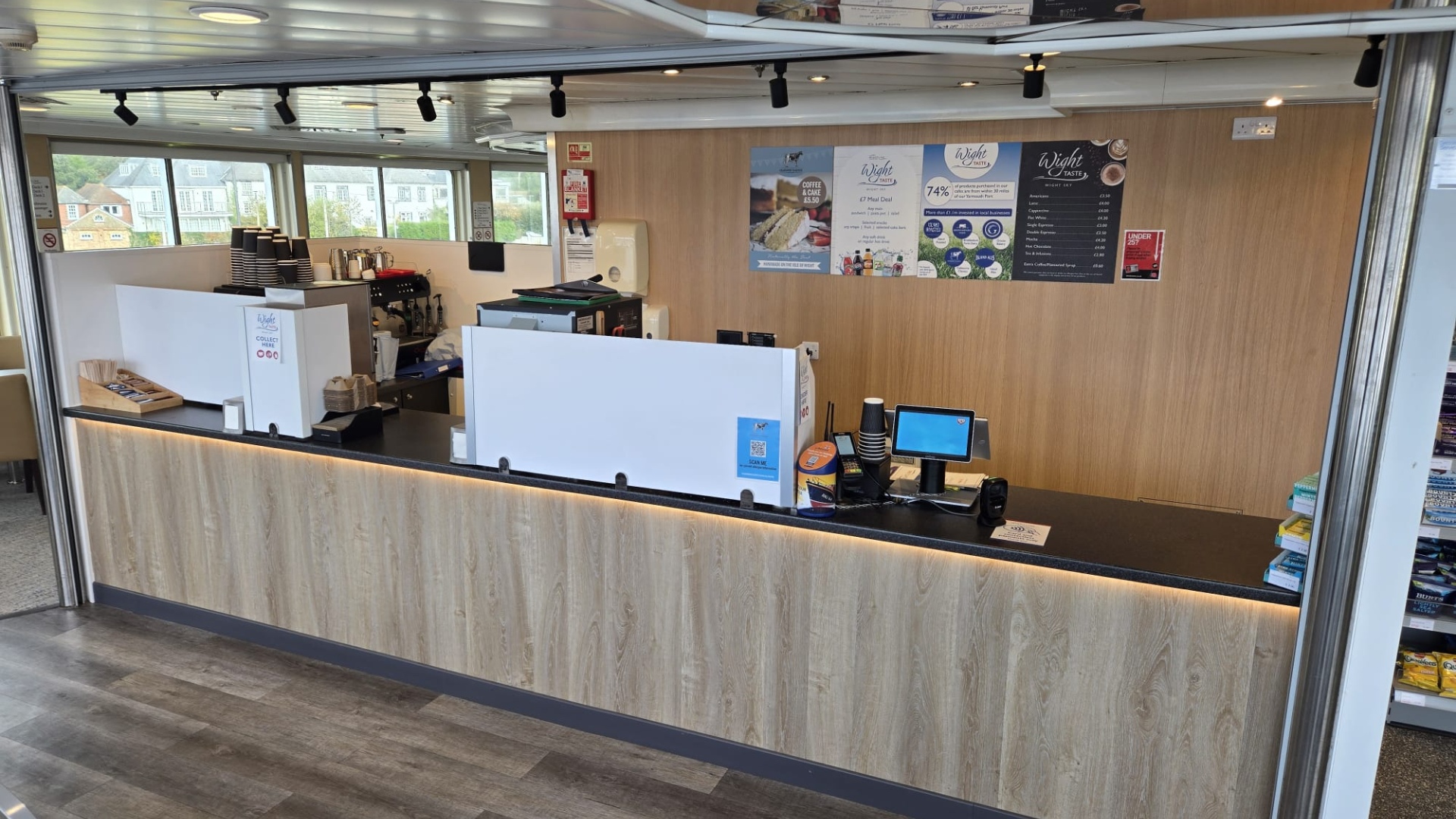
  • 🆕 Upgrades to on board spaces, such as our retail cafes, to improve comfort and accessibility

  • 🫟Cleaning, repainting and protection work to keep the vessel in top condition

  • 🔎 Ensuring the ferry is fit for MCA inspections, which usually happen before it re-enters service

Engine room aboard Wightlink’s Victoria of Wight, showing large blue hybrid propulsion equipment, pipes and machinery inside the vessel.

Why do refits matter?

This period of maintenance is essential to the upkeep of our fleet. Without it, we wouldn’t be able to run a reliable and safe ferry service.

They give us the time and space to carry out detailed checks that just wouldn’t be possible while ferries are on the run. It’s how we keep standards high across our fleet and ensure maritime regulation compliance.

We don’t just use this off-season period to spruce up our ferries, though – our ports are also kept in good order as they need to work efficiently in all weathers, all year-round.

Aerial view of a Wightlink FastCat ferry in dry dock in Portchester, UK

Where do refits take place?

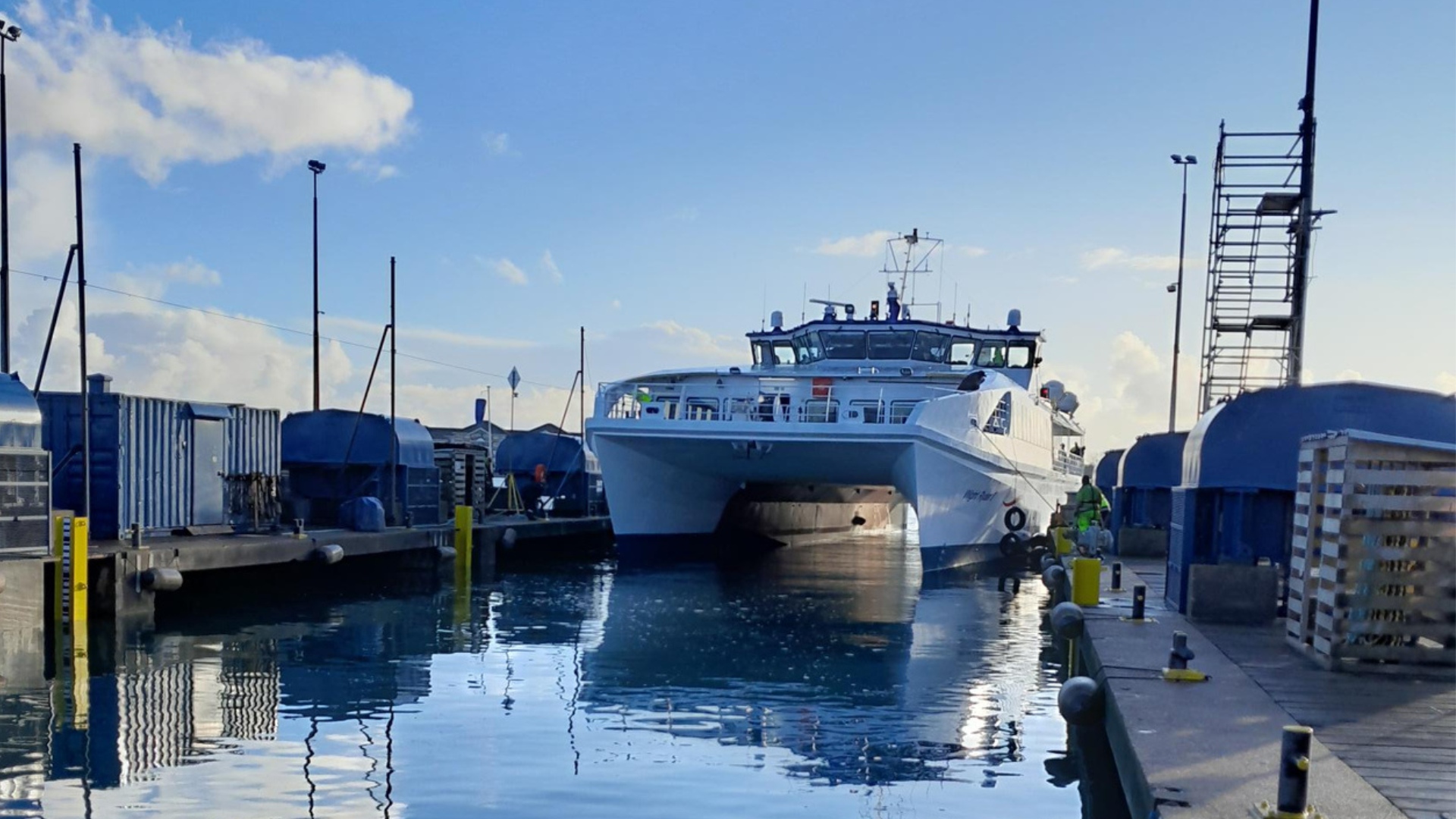
It’s common for our ferries to have some work done at our ports – you’ll regularly see a ferry moored up alongside our Portsmouth Gunwharf port, for example – while more complex tasks often require shipyard visits, or dry docking.

If you like to follow our ferries on Marine Traffic, over this period you’ll often find one or two of them in Falmouth, Hythe Shipyard or Trafalgar Shipyard in Portchester.

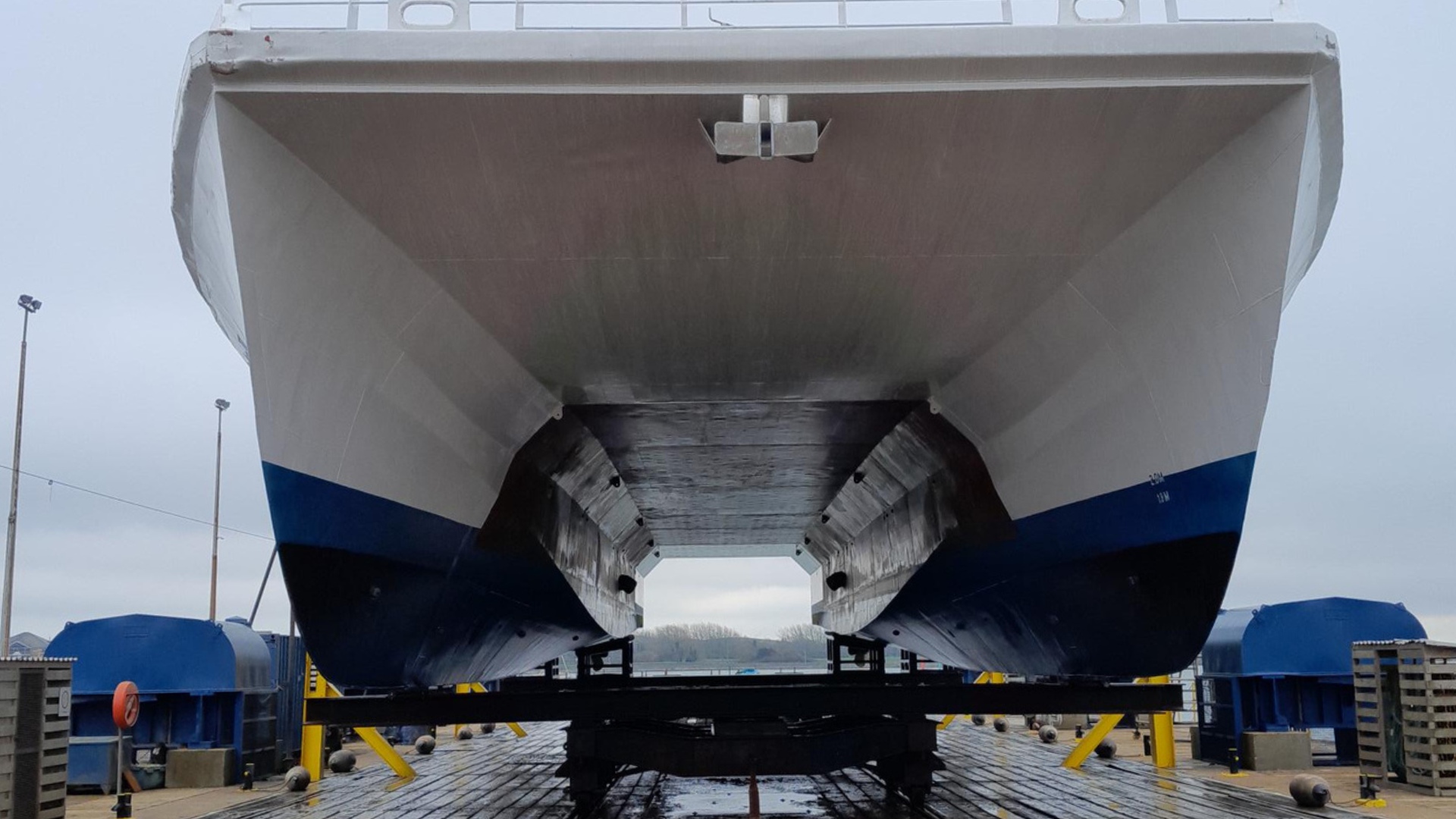
Engineers inspecting the underside of a ferry in dry dock, examining propellers and hull during a refit.

When do refits happen?

Starting in September, our refit period tends to last six months, with the aim of having our eight-strong fleet all in peak condition for the busy Easter school holidays.

Each individual ferry is typically away for around a month and it is meticulously planned around our timetable.

Inside our 2025/26 refits

The most recent refit season kicked off in September 2025 and came to a close in early April 2026, with Wight Ryder II the last vessel to return from its annual maintenance programme.

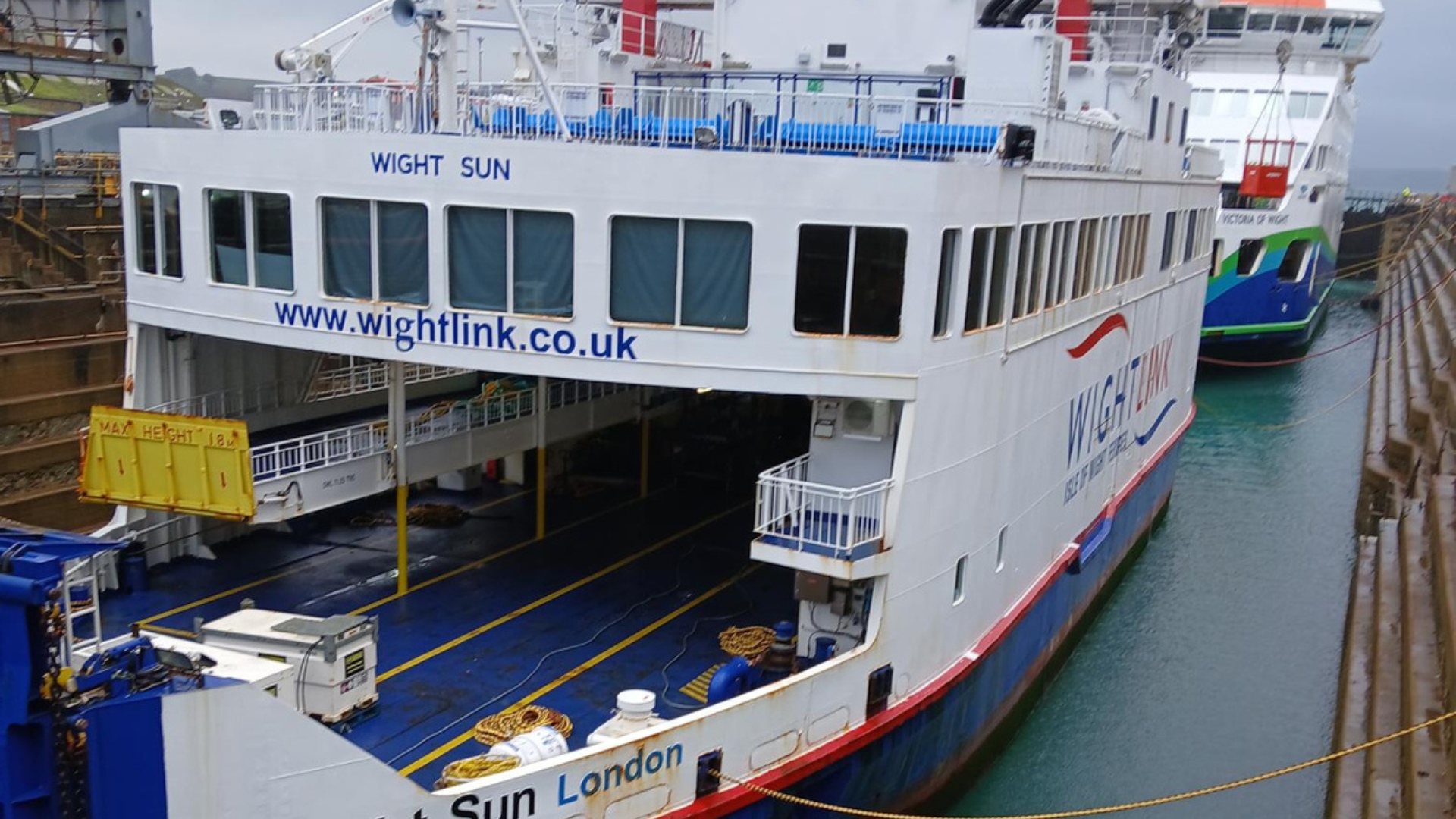
Our ferries headed out to shipyards in Falmouth, Southampton and nearby Portchester and at one point, we had the rare sight Victoria of Wight and Wight Sun in the same dock at the same time.

It was an incredibly busy seven months, with plenty of wet weather along the way, as our teams worked through a wide range of upgrades and improvements.

At a glance

A snapshot of the work carried out across our fleet during the 2025/26 refits:

  • 🪑 Upgraded lounges on Wight Light, Wight Sky and Wight Sun

    Seating reupholstered, new flooring and carpets installed, with refreshed, more modern interiors

  • 🔧 Major engineering work

    Engine overhauls, gearbox replacement and propulsion system upgrades to keep everything running smoothly

  • 🎥 Enhanced on board technology

    Upgraded monitoring systems and new CCTV installation, including 65 cameras and over 5,500 metres of cabling on Wight Sun

  • 🛠️ Hull restoration

    Ships stripped back to bare metal using around 75 tonnes of blasting material, with over four tonnes of fresh paint applied

  • 🚗 Car deck and structural work

    Car decks repainted, hull welding completed and high-impact areas strengthened

  • 🧪 Thorough testing and inspections

    From radar and radio systems to full electrical testing and safety checks before returning to service

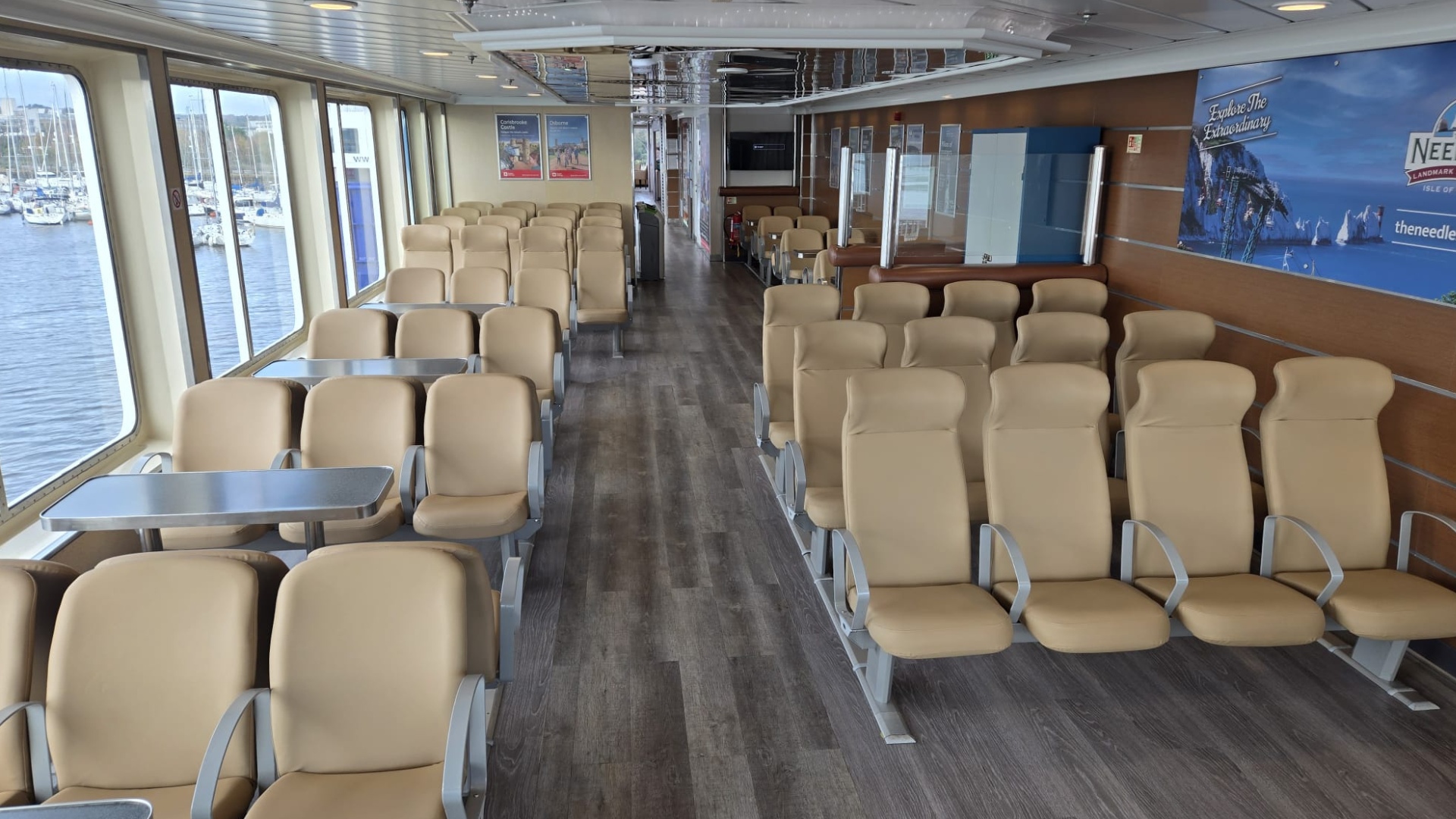
New passenger lounges on Wight Light, Wight Sky and Wight Sun

If you’ve travelled recently on one of our Lymington – Yarmouth ferries, you may have noticed a huge difference on board.

Passenger lounges were stripped back and completely refreshed, with new flooring and carpets installed throughout. Seating has been reupholstered and upgraded, replacing older styles with more modern, comfortable options that bring the spaces in line with the rest of the fleet.

The chairs which were replaced have all been donated.

Refurbished ferry lounge with modern seating, round tables and updated flooring
Hull blasting: restoring the ships beneath the surface

For the first time since they were built, the hulls of our Wight Light, Wight Sky and Wight Sun ferries were taken back to bare metal.

Over time, layers of specialist coating had built up, reducing efficiency as the vessels moved through the water. During refit, around 75 tonnes of blasting material were used to remove these layers, before more than four tonnes of new coating was applied.

The result is a smoother, more efficient hull that will support performance for years to come, with only light maintenance needed in future refits.

Ferry hull freshly painted in dry dock, with protective sheeting overhead and equipment on the ground during refit work
Engineering work you don’t see, but always feel

Behind the scenes, a wide range of essential engineering work was carried out across the fleet.

This included engine servicing and overhauls, gearbox replacement, propulsion system checks and full electrical testing. Key systems such as radar, alarms and on board monitoring were also upgraded and inspected to ensure everything is working exactly as it should.

While much of this work isn’t visible during your journey, it plays a vital role in delivering the smooth, reliable crossings you expect every time you travel with us.

Large engine component being lifted by crane beside a ferry during refit work