Top of the hops – a guide to Isle of Wight beer
The Isle of Wight has a long tradition of beer and brewing, everything from swizzles at lunchtime, spiced ale for New Year and a puncheon of nammet beer if you’re knee-deep in harvest work. Food historian James Rayner takes us on a journey through the Island’s hop heritage.
Islanders have been brewing in their farms and cottages for centuries, often using locally grown barley and hops which could be gathered wild from the woods, although purpose built breweries soon started taking the reins by the time of Queen Victoria. One of the greatest was Mew Langton, based in Newport who (rumour has it) were the first in the world to sell beer in cans! Others include Burt’s of Ventnor – who used fresh spring water tapped from the chalky face of St. Boniface Down; and the Anglesea Brewery in Ryde which was run in the 1890s by brewer (and local windmill owner) Edward Sweetman.
However, this illustrious history doesn’t mean the Isle of Wight’s beers have had their day – if anything they’re experiencing a renaissance. Coupled with the fact that the Island is rumoured to have more pubs per square mile than any other county, it’s tricky to know where to start! In this article, we’ve compiled some of our recommended spots to sip some of the best brews around and raise a glass to the talented people that make it all happen.
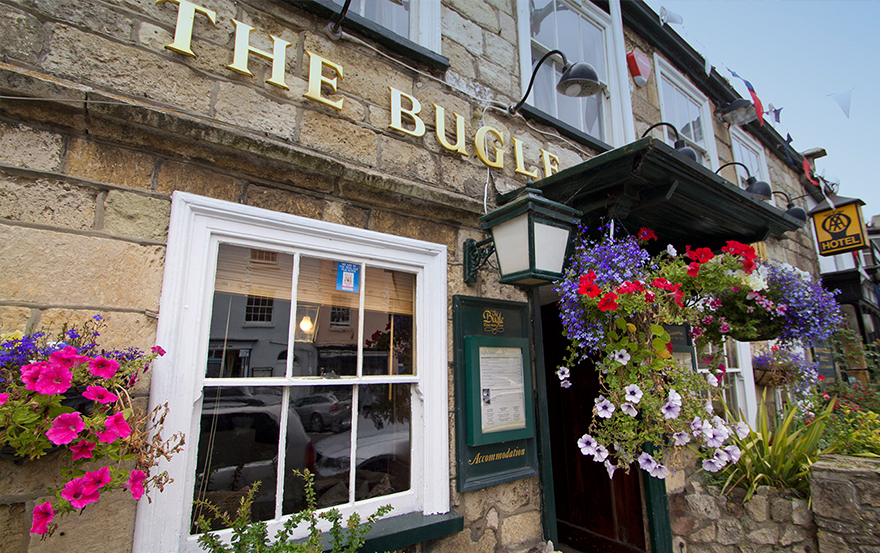
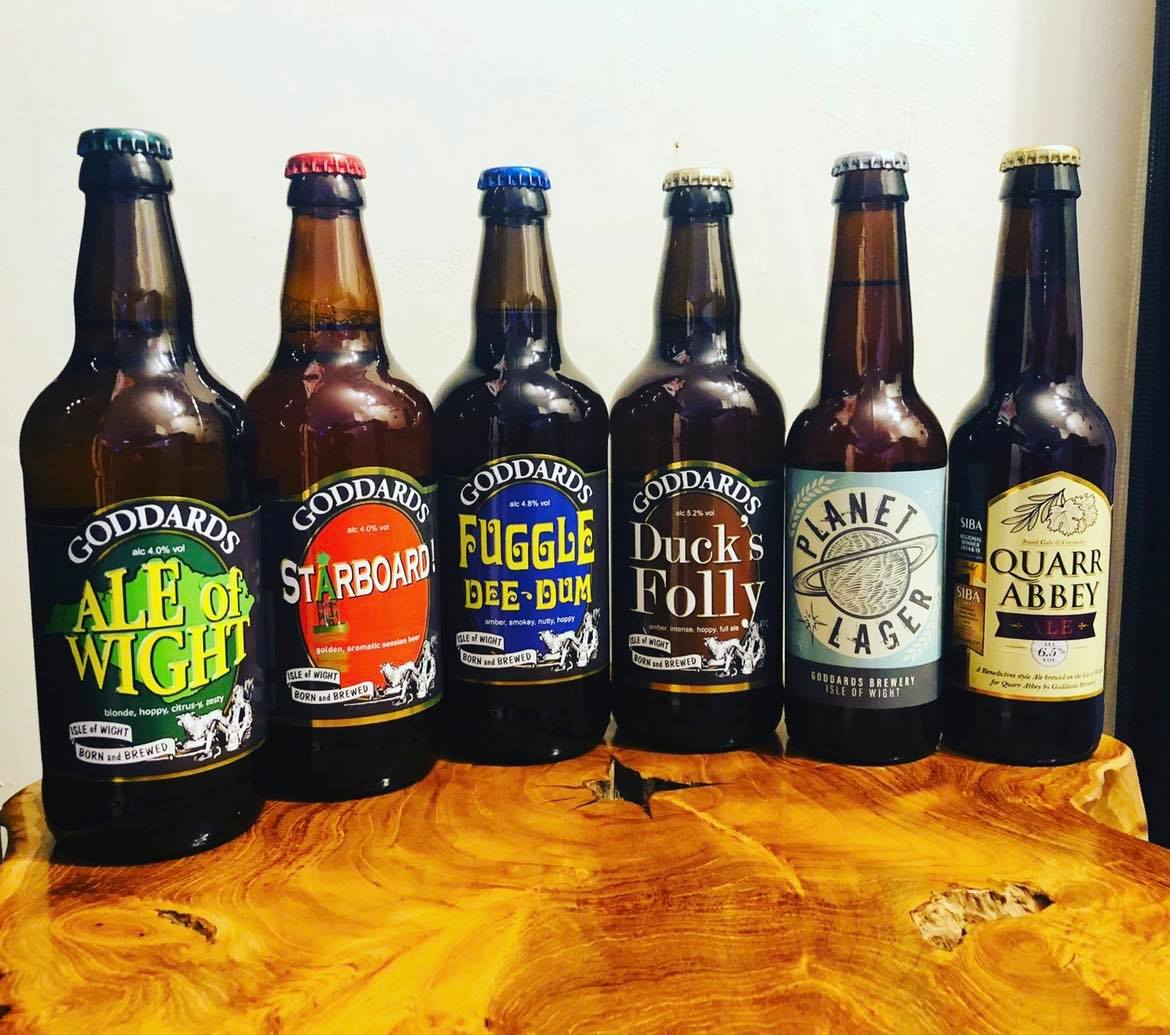
If you’ve just shuffled down the gangplank and come ashore at Yarmouth, The Bugle Coaching Inn is a great place to begin. Here, we’d recommend clinking glasses with a bottle of Fuggle-Dee-Dum, a smoky and spicy brew made by one of the oldest breweries on the Island: Goddard’s. They combine locally grown barley and spring water from Knighton to create a fantastic range of artisan brews including their award-winning vegan and gluten-free Planet Lager. Crisp and clean, with fruity and herbal undertones; it’s available from the Chine Inn, The Waverley at Carisbrooke and the Old Village Inn in Bembridge.
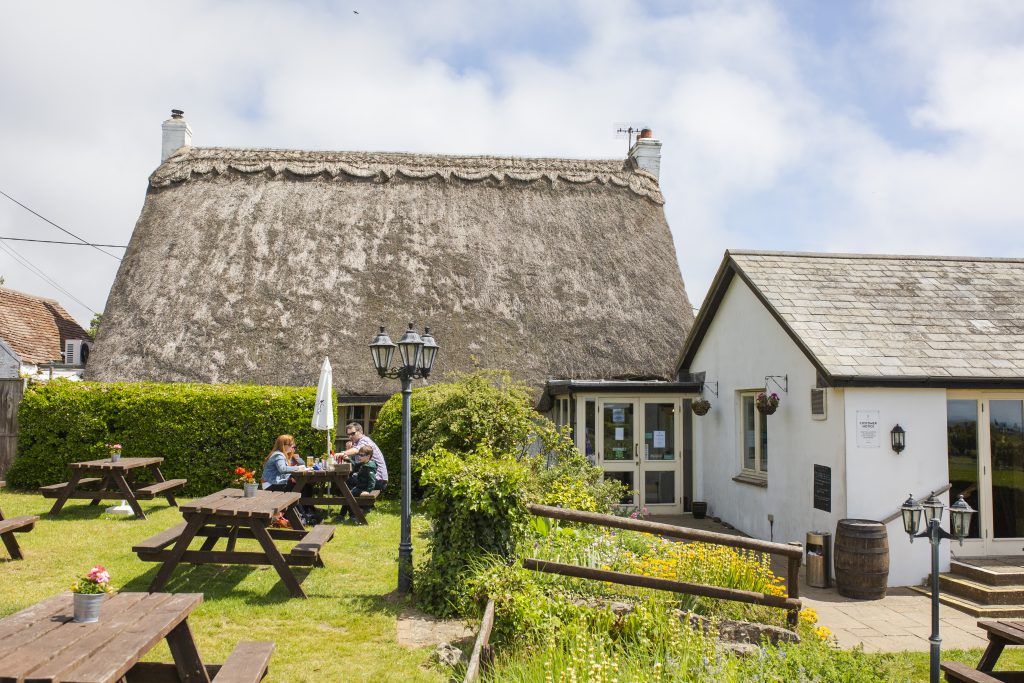
Next to tick off the beer bucket list, should definitely be a glass of something from Yates’ Brewery, who have been steeping and fermenting since the year 2000. Take a trip to the West Wight, pop into the Highdown Inn and quench your thirst with a Holy Joe, a 4.9% amber coloured ale with a bittersweet aftertaste and hints of citrus. Alternatively, if the weather’s a bit fresh, find yourself a cosy settle at The Sun Inn, Hulverstone and treat yourself to a Dark Side of the Wight – a ruby coloured winter ale with rich chocolate notes.
The third big hitter of modern Isle of Wight beer makers is Island Ales, a firm that has been manned by three generations of the Minshull family since they made their very first keg almost 30 years ago! Choose from a range that includes a rich brown Yachtsman’s Ale, a full-bodied Wight Knight and the straw-coloured Nipper Bitter – made using just four ingredients. For some scenic spots to sample their beers, try The Waterfront Inn at Shanklin, or the Wight Mouse at Chale.
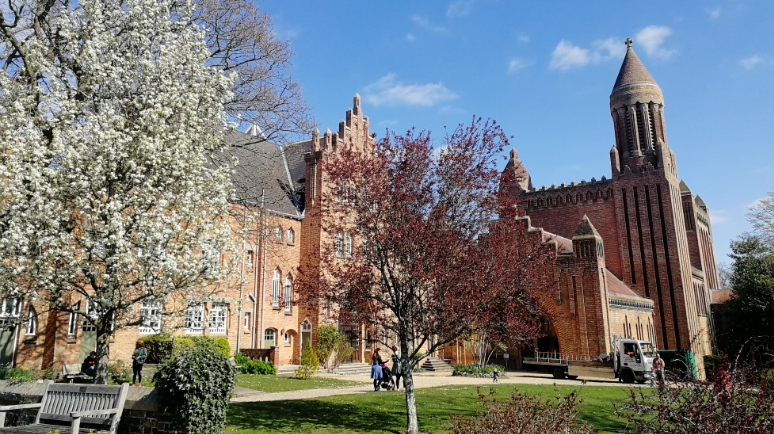
Big names aside, the Island boasts a number of smaller local labels with a quirkier side too. Head to Ventnor Botanic Garden on the rugged south coast to taste the apricot flavoured Botanic Ale, made with hand-picked hops grown in the sun-drenched Undercliff, or pop down to Newchurch and get yourself a bottle of potent Black Garlic Beer (yes, really!). On the other hand, you could make your way to the tranquil grounds of Quarr Abbey near Ryde – the Island’s only working monastery. Their 6.5% Benedictine style brew is based on the traditional beers made by monks in centuries past and uses coriander and sweet gale grown in the abbey’s own gardens.
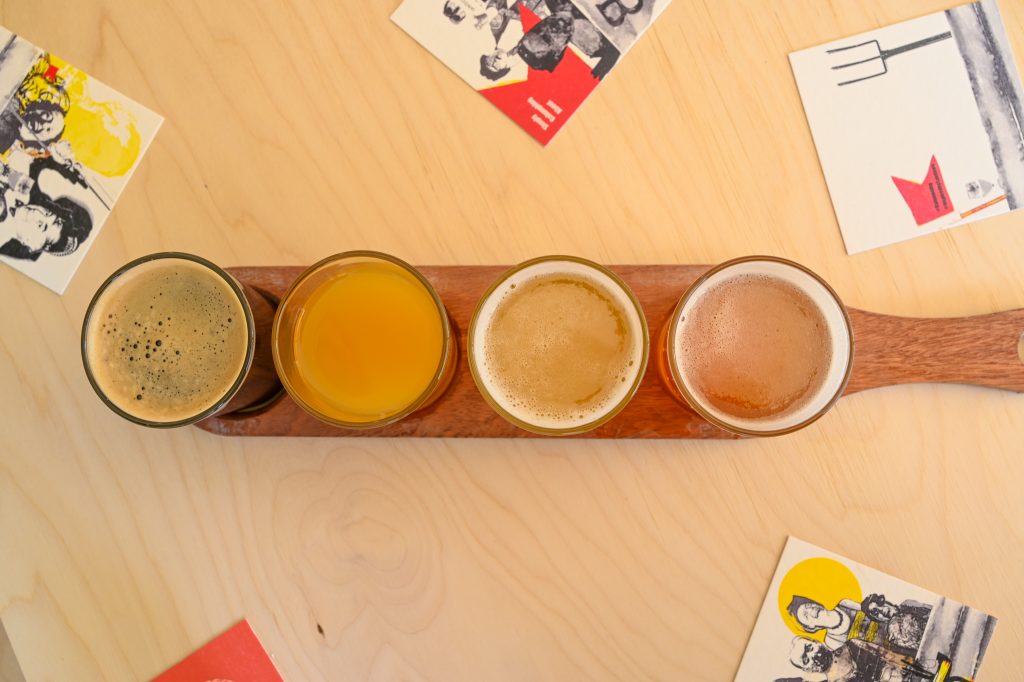
Finally, if craft beer with a conscience is more your thing, the Island’s newest brewer won’t disappoint!
Bembridge-based Wight Knuckle Brewery was founded in 2021 by three members of the Bristow family. Using the Pilot Boat Inn as their H.Q. they create quality craft beer, with the best British ingredients and the environment is top of the agenda. As Fergus explains: “One of the core values we wanted to achieve with this brewery was to make this venture sustainable and give back where we can”, and they certainly do that! From recyclable packaging to supporting conservation charities and even using their spent grain to feed the pigs at Francesca Cooper’s Modern Kitchen Garden in Ryde. Why not try their Wight Knuckle IPA, a pale ale with a caramel backdrop, citrus notes and you’ll be glad to know – vigorously taste tested by all four of the family’s grandparents!
As you can see, there’s no shortage of Isle of Wight stouts to sip, lagers to lap up and bitters to imbibe. These family-run, local businesses are going from strength to strength and supporting so many other aspects of Island life beyond themselves. So, next time you order a Wight Squirrel or a Fuggle-Dee-Dum, sit back and savour, as you play your part in maintaining the Isle of Wight’s wonderful brewing legacy.
Key Isle of Wight Beer-Based Vocab
- Nammet beer – an older, stronger beer served on farms at lunchtime
- Swizzle – a lighter version made from mixing ale and beer together
- Puncheon – a small keg, used to carry beer into the fields at harvest time
ℹ️ To find out more about the Isle of Wight’s food and drink over the centuries, pick up a copy of Historic Isle of Wight Food by James Rayner available on board our ferries and ports.