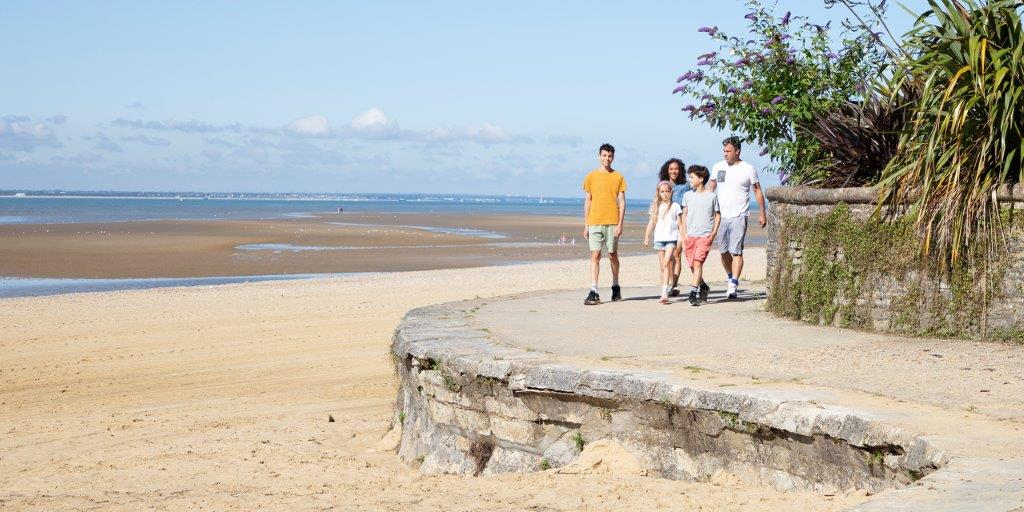
Things to do on the Isle of Wight in June
As June dawns upon the Isle of Wight, a sense of anticipation fills the air, heralding the arrival of summer in all its glory.
Discover why this month is the perfect time to visit our enchanting island paradise. From sun-drenched beaches and vibrant festivals to lush countryside and captivating history, the Isle of Wight offers an unforgettable summer escape. Join us as we delve into reasons why June is the ideal month to explore the beauty and charm of this coastal gem in the heart of the British Isles.
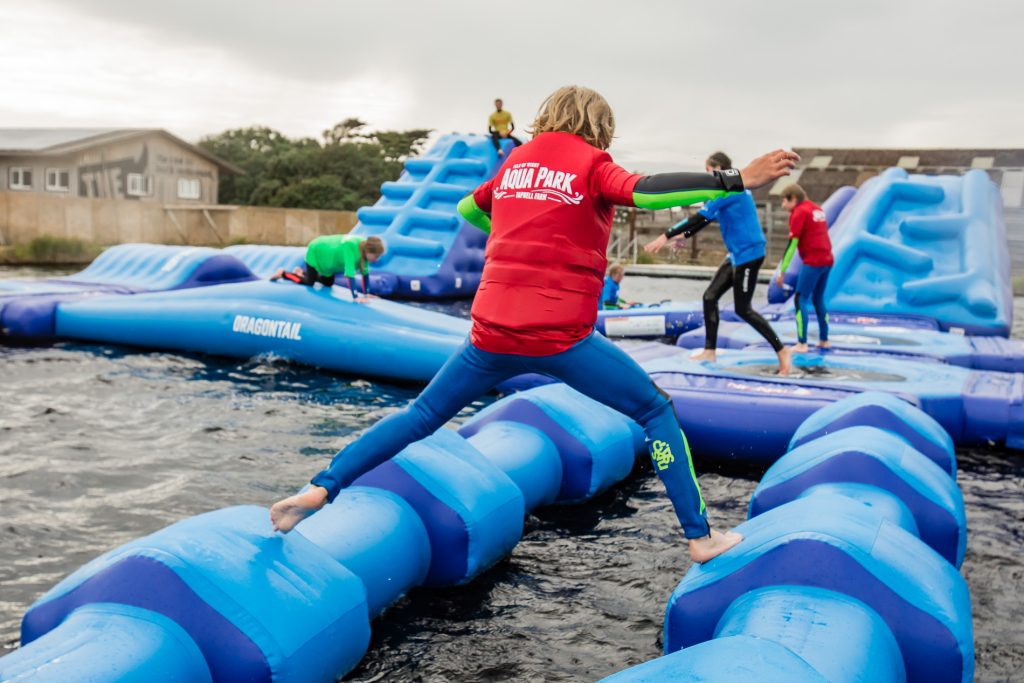
Visit an aqua park
Make time to visit the Isle of Wight’s only outdoor Aqua Park this June. There are more than 20 bouncy obstacles to tackle, including giant free-fall slides, and it’s much quieter outside the main school summer holidays. Great fun for confident swimmers over the age of seven, it’s an epic challenge to tackle as a family.
Set within Tapnell Farm Park, there’s loads to do once you dry off including a farmyard attraction, archery, axe throwing and a football golf course.
Go mermaid spotting
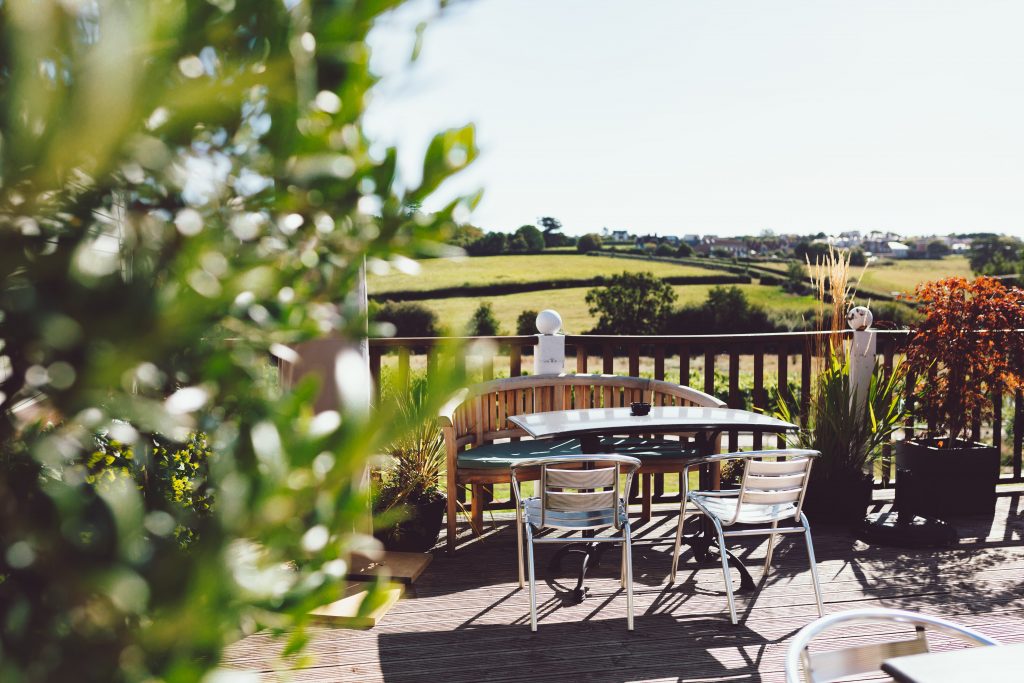
Celebrate the Island’s mermaid family by visiting the Isle of Wight Distillery. We are, of course, talking about Mermaid Gin which turns 10 this year! For this anniversary the distillery has created a new expression, enhancing the locally-foraged rock samphire with the addition of coastal fig leaves. Botanicals nurtured by the Isle of Wight’s southern shores infuse this limited edition.
Visit the Mermaid Bar on the outskirts of Ryde to can enjoy expertly crafted cocktails or a tasting board of Island spirits and lunch on the sunny terrace. Overlooking beautiful countryside, you can watch the stills in action and talk to those behind the world-famous spirits.
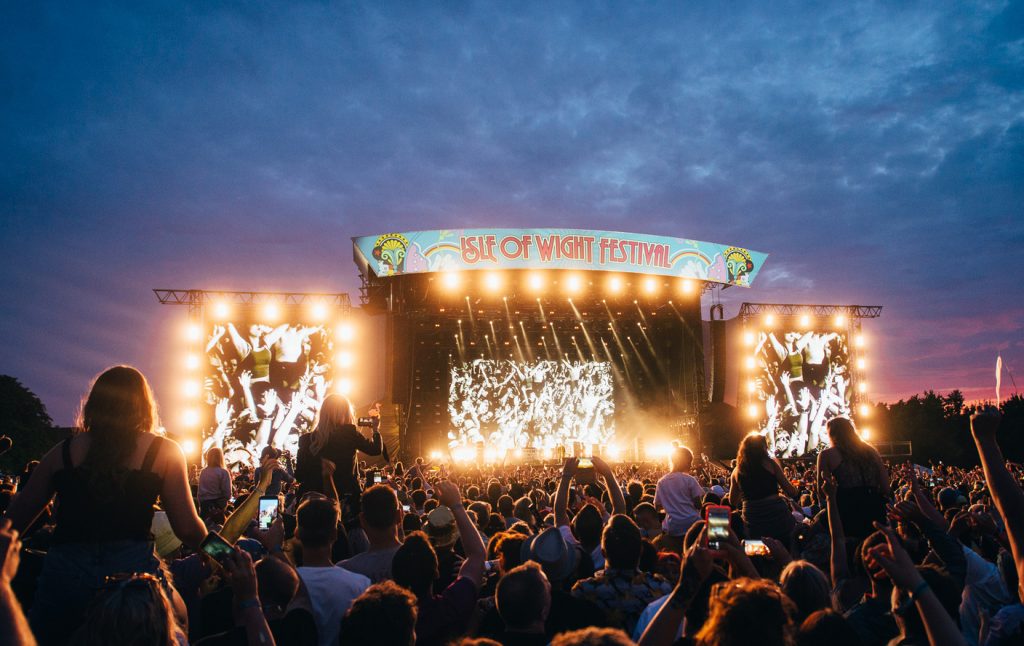
Go to a festival
Always the first major music fest in the summer calendar, the Isle of Wight Festival returns on 18-21 June 2026. Attracting the biggest names in rock and pop including Lewis Capaldi, Calvin Harris and The Cure, this year, it’s four days of great music, arts and culture not to be missed! Beyond the main stage, there will be a number of alternative areas offering varied entertainment – from a dedicated ‘Kidzone’ for youngsters, to the rather random ‘Cirque de la Quirk’. So, if you want to give your ears a bit of a break, but don’t want the fun to stop, this festival has you covered.
It also marks the start of a season of incredible events – so fear not! If you don’t make it to this festival, there are plenty of other things happening, just check out our handy Explorer tool.
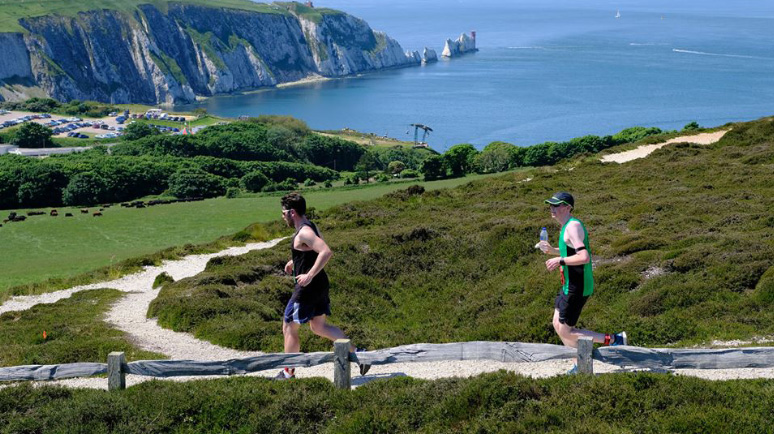
This one's for runners
The Isle of Wight Festival of Running takes place in June too (31 May – 7 June in 2026), and it’s a little different to the music festival! You can expect the best scenery on your travels; dramatic cliffs, beautiful coves, downs and a stately home. Why not make it into a runcation, and stay on the Island for a while?
It features the Needles Half Marathon, a junior fun run, the Tapnell 10k, plus a range of evening social runs and running-related activities.

Make the most of the microclimate
Enjoying more hours of sunshine than the national average, the Isle of Wight benefits from a unique microclimate that is perfect for plants and makes for gorgeous gardens. Marvel at the Mediterranean planting at Mottistone Garden or sub-tropical Ventnor Botanic Garden.
June’s also the perfect time to spend a day on the beach making new memories. Check out our beach guide to pick the best one for you.
Much of our delicious food can thank the sunshine, too. Tuck in to fresh asparagus and juicy tomatoes to celebrate British Tomato Fortnight (1 to 14 Jun 2026!) this month for a real taste of summer.

Hang at The Point
The Island’s favourite laid-back coastal hang out is back for 2026, and it’s better than ever! Part beach club, part wellness retreat, and social hub, it’s a place where long summer days stretch effortlessly. Expect canvas canopies, wooden benches, and softly glowing festoon lights.
DJ Rob Da Bank’s SloMo is back, offering next generation wellbeing, breath-work, saunas and ice baths. You can also enjoy a spot of paddleboarding, SUP Yoga, kayaking, sailing and windsurfing if the mood takes you.
The Point bar serves locally brewed beers from the Wight Knuckle brewery, spirits from the Mermaid distillery and wines from Babylonstoren . Grab a coffee (with a Scandi twist) at Lagom on the Beach and a bite to eat from the Harbour Kitchen.

Celebrate the Isle of Wight's biosphere
Celebrate the Isle of Wight’s UNESCO Biosphere Reserve at the nine-day Biosphere Festival, featuring over 70 free or low-cost events. Showcasing the island’s rich natural diversity, the programme includes everything from guided wildlife walks and immersive art experiences to hands-on activities like rockpool safaris, freediving, and creative workshops. Whether you’re exploring sustainable living at Permaculture Island (featured on Ben Fogle’s New Lives in the Wild), enjoying yoga by the sea, or discovering nature after dark, the festival offers a relaxed and inspiring way for residents and visitors alike to connect with the island’s unique environment, community spirit, and hidden gems.
ℹ️ Visiting at a different time of year? Find out what else you can do during your time on the Isle of Wight on our Things to Do web pages.